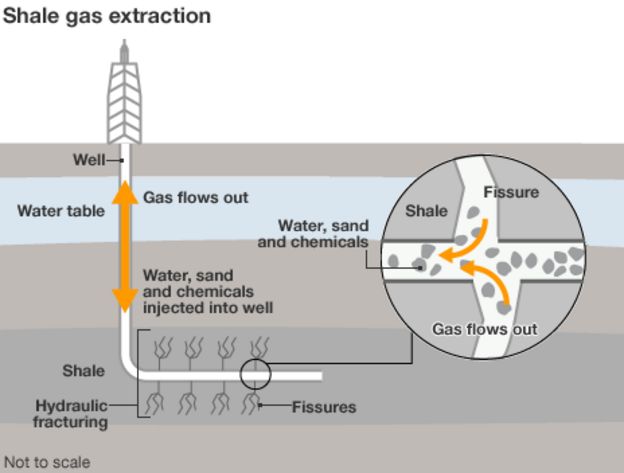
In order to fully understand everything surrounding this controversial, we must first investigate the process behind the removal of chemicals from deep underground, called fracking. Fracking involves smashing and breaking bedrock with millions of gallons of water, in order to bring deep underground and untapped gas to the surface.
The latest issues concerning fracking involve cases in California and Florida, in which case, fracking related spills have occurred. As scientists point out, most compounds used in the process are harmless, however, some can cause major environmental damage. That being said, I believe the right approach to take is to set in place strict regulations before fracking is able to be put into practice. In addition, fracking should not be allowed in high risk areas or regions with high populations where the effects could be heightened. With greater transparency and oversight, environmental impacts could be minimized while still reaping the economic benefits. However, if further environmental damage is shown to occur, the state should take action to prevent fracking.
http://serc.carleton.edu/NAGTWorkshops/health/case_studies/hydrofracking_w.html
http://www.sciencedaily.com/releases/2016/03/160309160737.htm
http://ichef-1.bbci.co.uk/news/624/media/images/65309000/gif/_65309507_shale_gas_extraction464.gif

Hydrofracking is a large issue and the negative downfalls of it are often hidden by the companies that are conducting this type of damage. The chemicals used are not harmless, and often times the workers at these sites are not aware of the potency of the chemicals they are using. I watched a documentary regarding this issue in high school and wrote a paper about it last year. The evidence supporting the fact that it is dangerous is unequivocal. While this is mostly being done in low population areas, it is still negatively impacting the individuals that do live there. The documentary showed the homes of individuals who lived near the fracking site and many of them could set fire to their tap water because it contained so many toxic chemicals. Unless a safer way can be found to execute this method, I believe that it should be stopped.
ReplyDelete